News
Joanna Blaszczyk
05/06/2024

ISIS@MACH ITALIA Instruments on the search for ancient DNA

Dr. Scorrano (University of Rome Tor Vergata) uses ISIS@MACH ITALIA XRD and FT-IR instruments to study rock fragments that may contain the world’s oldest DNA.
Studying the distant past of humankind is no easy task. Most archaeologists and anthropologists work with artefacts left behind by ancient populations—tools, pottery, bones—traces of lives lived thousands or even hundreds of thousands of years ago. But Dr. Scorrano approaches our origins from a different angle. A genetic anthropologist, he studies tiny fragments of ancient DNA—some dating back millions of years—to unlock the biological secrets of the distant past.

Working on archaeological projects in Italy, Northern France, Denmark, and Sweden, he searches for bone fragments, sediments capable of preserving genetic information, and geological samples that might still hold traces of biological material. The challenge lies in knowing which rocks could be hiding viable DNA deep inside them.

That’s why, when he discovered a rock sample millions of years old containing a tiny bubble of trapped water, his curiosity was immediately piqued. Could that bubble conceal remnants of ancient DNA—perhaps among the oldest ever found?

Dr. Scorrano explains that certain sediments can bind to DNA molecules through chemical and physical processes, effectively shielding them from degradation. These mechanisms can preserve genetic material far beyond what would otherwise be possible. Building on research by Kjaere et al. (Nature 612: 283–291) from the University of Copenhagen—who analysed Greenland ice cores to understand which sediments best preserve DNA—his work aims to identify similarly promising samples in the field.

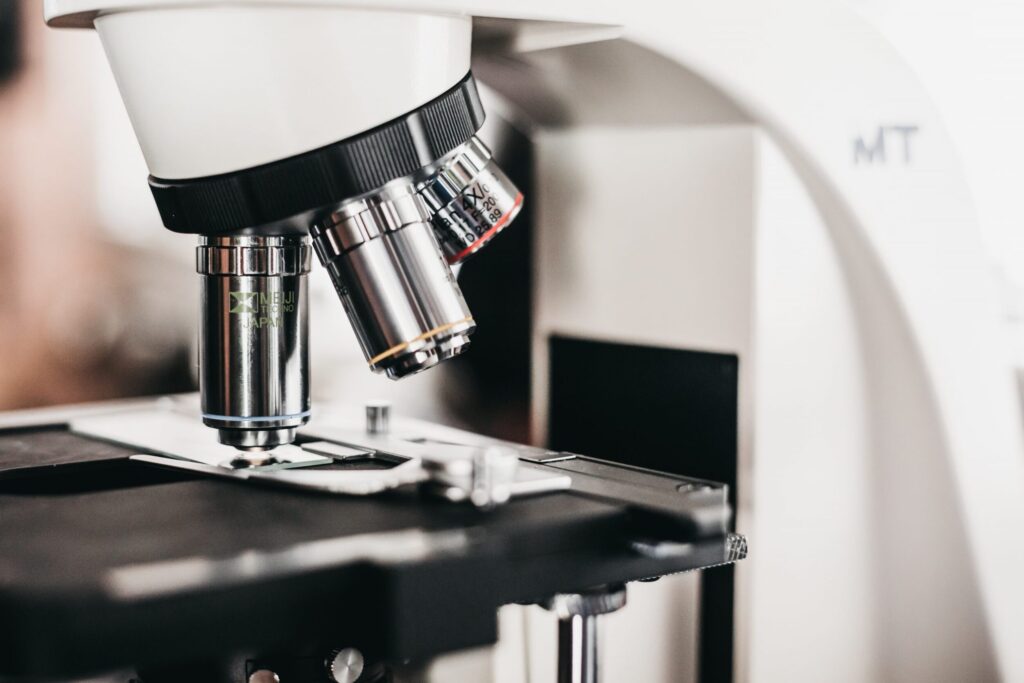
Before any DNA can be extracted or sequenced, however, each sample must undergo a series of detailed analyses. To understand the mineral composition and adsorption capacity of his rock, he turned to X-ray diffraction (XRD). He then proposed using Fourier Transform Infrared Spectroscopy (FT-IR) to detect possible traces of organic matter within the ancient water bubble. Remarkably, these techniques require only milligrams of material—allowing most of the precious sample to be preserved for future studies.

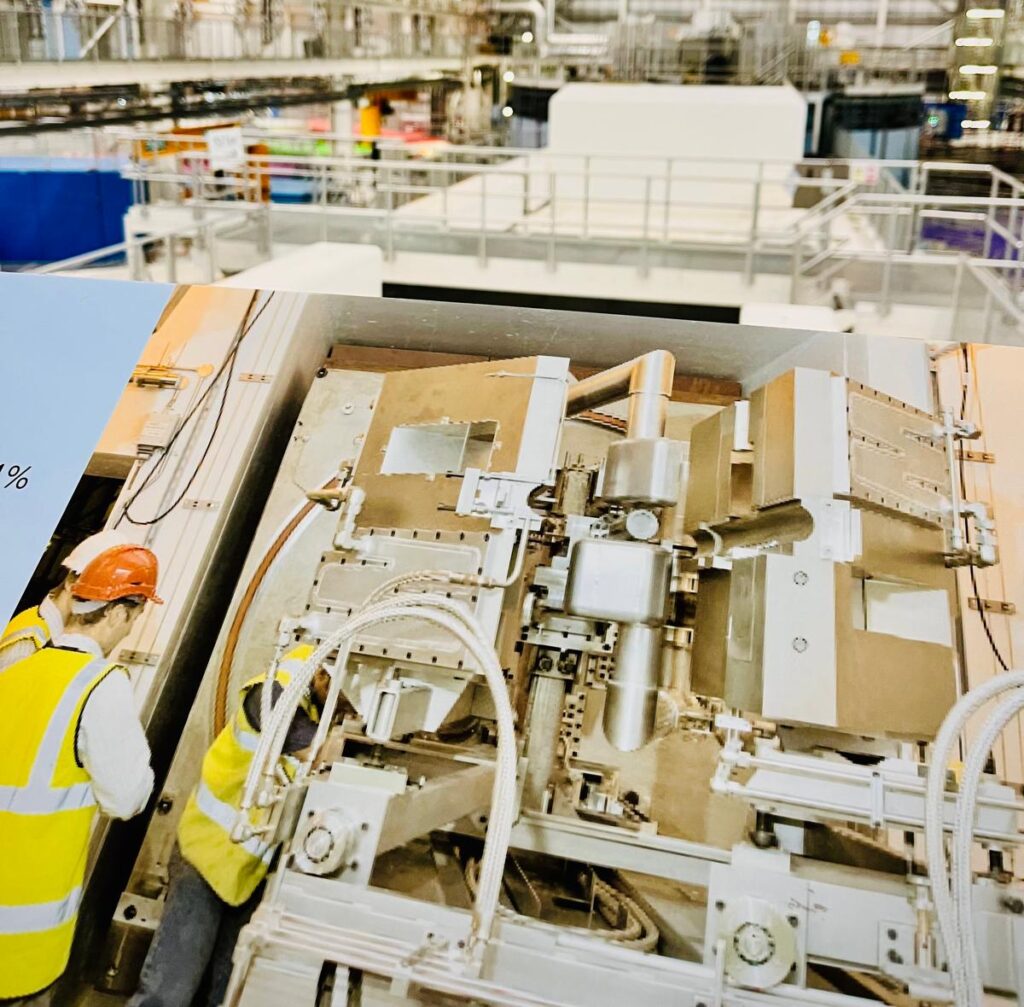
A fortunate conversation with Professor Carla Andreani from the University of Rome Tor Vergata led him to the ISIS@MACH ITALIA infrastructure—a network offering access to over forty advanced instruments for materials analysis, including XRD and FT-IR systems. For the researcher, joining IM@IT was an obvious next step: “It’s a huge network, quick, easy, and accessible,” he noted. “Having direct contact with instrument scientists is a big advantage. Together, we can choose the best samples and design the most effective experiments.”

Access to the IM@IT pool of expertise is crucial for the researchers and his collaborators, ensuring they get the best possible results from the instruments. The multidisciplinary nature of the ISIS@MACH ITALIA infrastructure is also reflected in Dr. Scorrano’s experiment, which sits at the crossroads of genetics, archaeology, and physics.

“Interdisciplinarity is extremely important for me and my work,” he explained. “Without this kind of network, there would be no place for people from such different fields to come together, exchange ideas, and collaborate.”

When asked what advice he would give to colleagues in geology and geogenetics around the world, he added: “Find out about ISIS@MACH ITALIA and the fantastic instruments and scientists it offers. You’ll save a lot of time, effort, and money!”

"At ISIS@MACH ITALIA, scientists combine cutting-edge materials analysis with biological and archaeological research. By using instruments such as XRD and FT-IR, researchers like Dr. Scorrano can identify which ancient sediments might still hold DNA, opening new paths to understanding human origins."
About the authors
About the authors
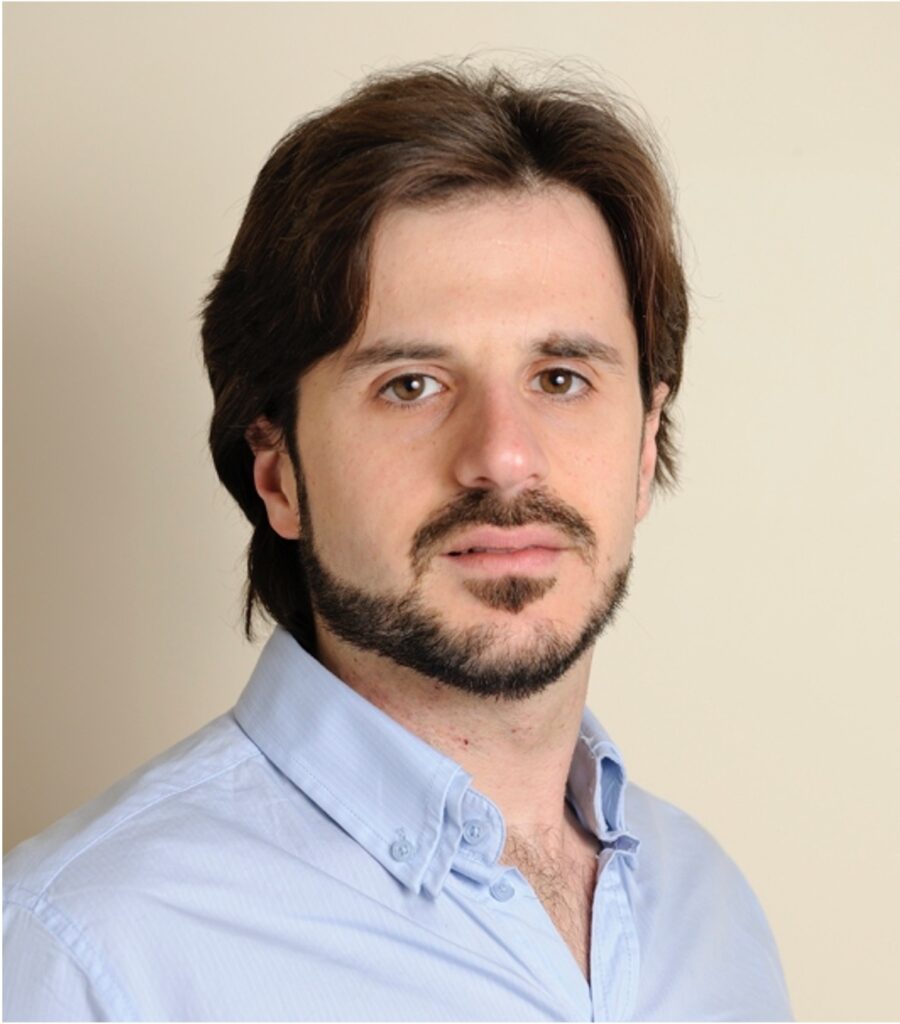
Gabriele Scorrano

I am an Assistant Professor at the University of Rome Tor Vergata, specializing in Molecular Anthropology. My research focuses on the analysis of ancient human DNA and ancient proteins. My primary goal is to contribute to the reconstruction of ancient human population migrations and admixture.