Science
Joanna Blaszczyk
28 July 2021

Uncovering the Antioxidant Secrets of Extra Virgin Olive Oil with Neutrons

The first-ever study exploring the antioxidant properties of extra virgin olive oil using a neutron scattering instrument has been conducted in collaboration between the ISIS@MACH ITALIA Research Infrastructure (IMI) and the ISIS Neutron and Muon Source in the UK.


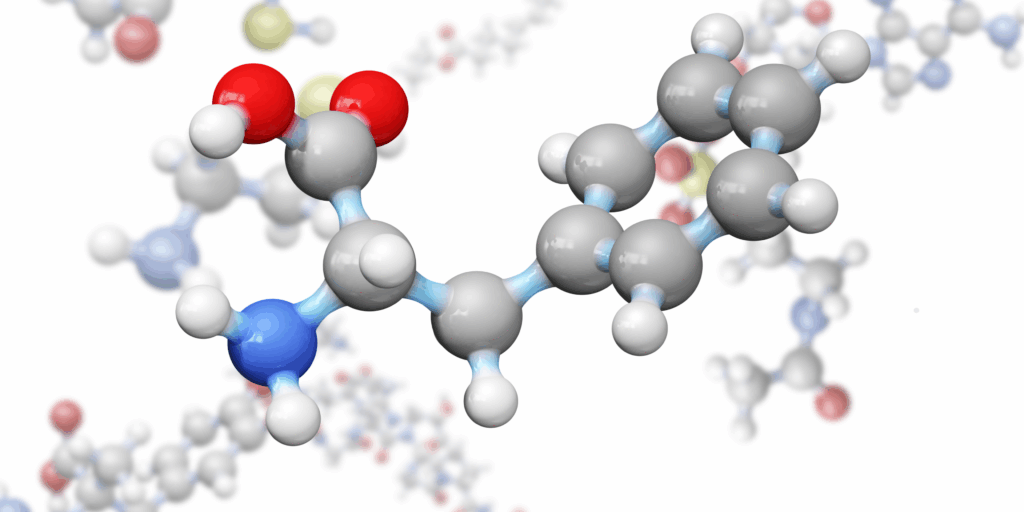
Extra virgin olive oil (EVOO) — a cornerstone of the Mediterranean diet — is more than a delicious ingredient. It’s a complex natural mixture rich in phenolic compounds, molecules known for their antioxidant and anti-inflammatory properties. These tiny compounds, including hydroxytyrosol and oleuropein, are believed to play an important role in protecting against heart disease, cancer, and neurodegenerative disorders.

However, despite their importance, detecting and studying these minor compounds directly in real olive oil is extremely challenging. Their weak molecular signals are usually masked by the far stronger vibrations of the oil’s main components — the fatty acids.

A multidisciplinary team from the University of Rome Tor Vergata, University of Florence, University of Coimbra, and the ISIS Neutron and Muon Source (UK), working within the ISIS@MACH ITALIA framework, set out to solve this problem using two powerful complementary techniques: Inelastic Neutron Scattering (INS) and Raman spectroscopy.

By analysing several Italian olive oils from regions including Tuscany, Umbria, Lazio, Puglia, and Abruzzo, the researchers compared the spectra of real EVOO samples with those of isolated antioxidant compounds. Their goal was to find the vibrational “fingerprints” of the minor phenolics hidden within the oil.

Using the TOSCA spectrometer at ISIS (UK), they discovered that the best regions to detect these hidden signals were around 675 and 1200 cm⁻¹ (for hydroxytyrosol) and near 450 cm⁻¹ (for other phenolic acids such as caffeic and ferulic acid). These low-frequency vibrations, accessible only through neutron techniques, reveal how these compounds interact with hydrogen atoms and hydrogen bonds — the key to understanding their antioxidant power.

The combined use of neutron and Raman spectroscopy allowed the team to identify subtle but important differences between olive oils from different regions, linked to their content of phenolic esters and acids. This research lays the groundwork for future studies that could connect molecular structure with antioxidant activity — ultimately helping producers and consumers better understand what makes a high-quality olive oil truly beneficial for health.

“This work demonstrates how advanced neutron spectroscopy can reveal the hidden molecular structure of natural foods,” said Prof. Giovanni Romanelli (ISIS Facility). “It opens new perspectives for understanding not only olive oil, but other complex biological materials.”

The study highlights the role of ISIS@MACH ITALIA in bridging Italian research excellence with large-scale scientific facilities like ISIS in the UK — using physics to advance food science, health, and sustainability.

Further information:

The full paper can be found online at DOI: https://doi.org/10.3390/antiox10050643 https://www.isis.stfc.ac.uk/Pages/SH21_olive-oil.aspx

"What gives olive oil its health power? Using neutron and Raman spectroscopy, researchers uncovered the hidden fingerprints of antioxidants inside extra virgin olive oil — revealing how its molecular structure drives its remarkable benefits."